Weather-Related Accidents

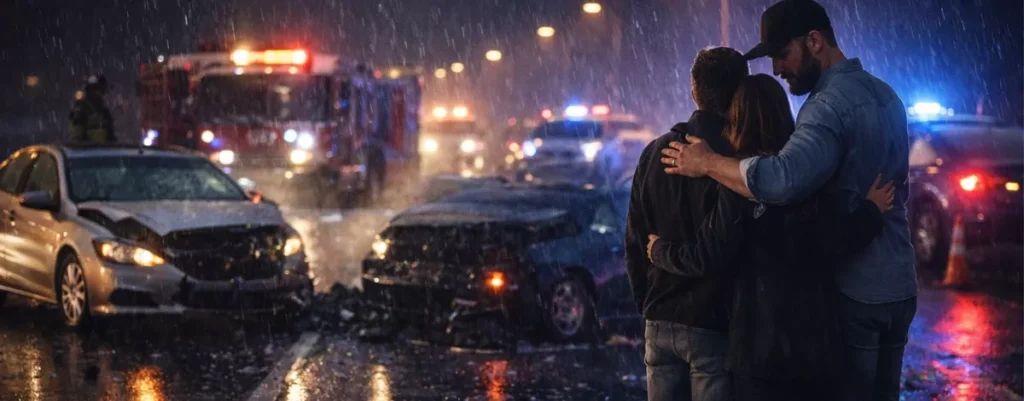
Weather-related accidents are a major cause of serious car crashes across the United States. Rain, snow, ice, fog, and high winds can drastically reduce visibility, traction, and vehicle control. While drivers cannot control the weather, they can control how they respond to hazardous conditions. When drivers fail to adjust their behavior, weather-related crashes often result in severe injuries or fatalities.

Weather-related accidents are a major cause of serious car crashes across the United States. Rain, snow, ice, fog, and high winds can drastically reduce visibility, traction, and vehicle control. While drivers cannot control the weather, they can control how they respond to hazardous conditions. When drivers fail to adjust their behavior, weather-related crashes often result in severe injuries or fatalities.

At CarLawyer.Law, we are a national car-accident-only personal injury law firm. We represent victims injured in weather-related accidents nationwide and understand how insurance companies attempt to blame the weather instead of negligent drivers.

If you were injured in a crash involving hazardous weather conditions, complete our free case evaluation form to learn your legal options today.


What Are Weather-Related Accidents?

Weather-related accidents occur when adverse weather conditions contribute to a motor vehicle crash. Common weather hazards include rain, snow, ice, fog, high winds, and extreme heat. While weather may be a contributing factor, it does not excuse negligent driving.

Drivers are legally required to:

  • Reduce speed
  • Increase following distance
  • Use headlights appropriately
  • Maintain control of their vehicle

Failing to adjust to weather conditions can constitute negligence and form the basis of a personal injury claim.


Common Types of Weather Conditions That Cause Accidents

Weather-related accidents occur under a wide range of conditions, many of which drivers underestimate.

Rain and Wet Roads

Rain reduces tire traction and increases stopping distance. Oil buildup on roadways can make wet roads especially slippery, particularly at the beginning of rainfall.

Rain-related crashes often involve:

  • Hydroplaning
  • Rear-end collisions
  • Loss of vehicle control

Snow and Ice

Snow and ice drastically reduce traction and visibility. Black ice is particularly dangerous because it is often invisible to drivers.

Snow- and ice-related accidents commonly involve:

  • Skidding and spinouts
  • Multi-vehicle pileups
  • Vehicles sliding through intersections
  • Rear-end collisions

Fog and Reduced Visibility

Fog severely limits visibility, making it difficult for drivers to see vehicles, road signs, and hazards ahead.

Fog-related accidents often involve:

  • Chain-reaction crashes
  • Rear-end collisions
  • Multi-vehicle accidents

Drivers who fail to slow down or use appropriate lighting may be held liable.


High Winds and Severe Weather

High winds can affect vehicle stability, especially for high-profile vehicles such as SUVs and trucks.

Wind-related crashes may involve:

  • Loss of vehicle control
  • Vehicles pushed into other lanes
  • Debris blown into roadways

Severe storms can also cause fallen trees, power lines, and road obstructions.


Extreme Heat

Extreme heat can contribute to accidents by causing:

  • Tire blowouts
  • Brake failure
  • Vehicle overheating

Drivers and vehicle owners may be held responsible if maintenance issues are ignored during extreme conditions.


Injuries Commonly Caused by Weather-Related Accidents

Weather-related crashes often involve sudden loss of control and multiple vehicles, resulting in serious injuries such as:

  • Traumatic brain injuries (TBIs)
  • Concussions
  • Spinal cord injuries and paralysis
  • Severe neck and back injuries
  • Broken bones and fractures
  • Internal organ damage
  • Severe lacerations and scarring
  • Psychological trauma, including PTSD

Insurance companies often attempt to blame injuries on unavoidable conditions rather than negligent behavior.


Determining Liability in Weather-Related Accident Cases

Insurance companies frequently argue that “the weather caused the accident.” In reality, weather is rarely the sole cause. Liability often rests with drivers who fail to adapt.

Liability may be established when drivers:

  • Speed in hazardous conditions
  • Follow too closely
  • Fail to maintain control
  • Drive with worn tires or poor brakes
  • Ignore visibility limitations

An experienced car accident lawyer investigates all contributing factors to establish fault.


Weather-Related Accidents Involving Multiple Vehicles

Poor weather often leads to multi-vehicle pileups, particularly on highways and interstates. These cases involve complex liability issues, multiple insurance policies, and competing claims.

Legal representation is critical to protect victims from unfair fault allocation.


Government and Third-Party Liability in Weather-Related Accidents

In some cases, liability may extend beyond individual drivers.

Potential third-party liability may include:

  • Government agencies responsible for road maintenance
  • Failure to clear snow or ice
  • Poor drainage leading to flooding
  • Inadequate warning signage

These cases often involve strict notice requirements and shorter filing deadlines.


Compensation Available for Weather-Related Accident Victims

Victims injured in weather-related accidents may be entitled to compensation for both economic and non-economic damages.

Economic Damages

  • Emergency medical treatment and hospitalization
  • Ongoing medical care and future treatment
  • Physical therapy and rehabilitation
  • Prescription medications and medical equipment
  • Lost wages and reduced earning capacity
  • Vehicle repair or replacement

Non-Economic Damages

  • Pain and suffering
  • Emotional distress and mental anguish
  • Loss of enjoyment of life
  • Permanent disability or impairment
  • Disfigurement or scarring

Even when weather is a factor, negligent drivers may still be fully liable for damages.


Insurance Company Tactics in Weather-Related Accident Claims

Insurance companies often attempt to:

  • Blame the weather entirely
  • Deny liability
  • Minimize injury severity
  • Shift partial fault to victims

When you work with CarLawyer.Law, we handle all insurance communications and counter these tactics with evidence-based legal strategies.


Why Choose CarLawyer.Law for Weather-Related Accident Cases?

CarLawyer.Law is a national car accident only law firm. Our exclusive focus allows us to handle weather-related accident cases with precision and authority.

What Sets Us Apart:

  • Nationwide representation for weather-related accident victims
  • Exclusive focus on car accident litigation
  • Experience handling complex liability and multi-vehicle cases
  • Aggressive negotiation and trial readiness
  • Personalized attention and clear communication
  • No upfront fees—you pay nothing unless we win

We prepare every case as if it will go to trial, strengthening settlement leverage and maximizing compensation.


Time Limits for Filing a Weather-Related Accident Claim

Each state enforces a statute of limitations that limits how long you have to file a personal injury lawsuit. Missing this deadline can permanently bar your claim.

An experienced car accident lawyer can identify the correct deadline and ensure your claim is filed on time.


Get Help After a Weather-Related Accident

If you were injured in a crash involving hazardous weather conditions, you still have legal rights. Negligent drivers and responsible parties must be held accountable.

Take the first step today by completing our free case evaluation form. There is no cost, no obligation, and no risk. Let CarLawyer.Law fight for the compensation and justice you deserve.


Sources

  1. National Highway Traffic Safety Administration (NHTSA)
    Provides national data and research on weather-related crashes and roadway safety.
    https://www.nhtsa.gov
  2. Federal Highway Administration (FHWA)
    Offers research on road conditions, weather impacts, and traffic safety management.
    https://www.fhwa.dot.gov
  3. Insurance Institute for Highway Safety (IIHS)
    Provides analysis on crash causes and injury severity under adverse weather conditions.
    https://www.iihs.org